
India has a rich money story that goes back thousands of years or so. Starting from ancient punch marked coins, and then moving into newer commemorative issues, Indian coins kind of show how the country’s economic, political, and cultural life kept changing over time. A lot of people end up inheriting old coins from their family, or they discover them while going through older collections, and naturally they start to wonder what the old indian coins value might actually be.
But understanding old indian coins value is not just about checking the year printed on the coin. There are other things too, like rarity, how nice the coin looks, the mint marks, historical importance, and how badly collectors want that exact type. Some older coins may be worth money because of their metal content, or because they matter in history. Other coins can bring much higher prices because they are scarce, and collectors are basically chasing them.
This guide covers the main factors that influence the value of old Indian coins, and it gives practical advice if you’re collecting, or if you just want to evaluate what you have.
The History Behind Indian Coins
India has used coins for more than two thousand years. First you had ancient kingdoms using punch marked coins, then came coins from the Maurya, Gupta, Mughal, and several regional dynasties. Later on, the British brought in standardized coinage, and after independence, India started adopting fresh designs that match the country’s identity.
Each time period left its own fingerprints on coin materials, inscriptions, and artwork. That’s part of why Indian coins feel like more than just “things”, they’re collectibles with a real historical vibe.
What Determines Old Indian Coins Value?
Collectors often look at several factors, and they don’t treat them like one single simple checklist. Rarity is a big one. When a coin was produced in small numbers, or survives only in limited quantity, it tends to pull more interest. Basically, if a coin is hard to find, it often gets more attention than a coin minted in huge quantities.
Condition also matters a lot. Many collectors want coins with little wear, crisp details, and original surfaces. Coins that show heavy scratches, signs of cleaning, or damage usually have less collector appeal.
Historical importance can add value too. Coins tied to major events, famous rulers, or special limited commemorative issues often catch the attention of collectors and even museums. And then there is collector demand. Even if a coin is old, the market value depends on whether people are actively seeking it right now, for example in the trading community.
Why Mint Marks Matter
A lot of Indian coins have small mint marks, usually indicating where they were produced. These tiny marks can sometimes separate more common coins from scarcer varieties.
For instance, coins made at different Indian mints might show subtle differences that collectors examine closely. Spotting those details can help you figure out whether your coin belongs to a more collectible variety. Learning to recognize mint marks is an important step for anyone who wants to take coin collecting seriously.
Does Age Always Increase Value?
One common misunderstanding is thinking every old coin is valuable just because it’s old.
In real terms, age alone does not set a coin’s worth. Some comparatively modern commemorative coins may actually be worth more than older circulation coins if they were made in limited numbers, or if they still look exceptional. Collectors compare rarity, preservation, and demand, along with age, when they estimate the overall value.
Popular Categories of Indian Coins
Over time India issued many different coin types. Ancient punch marked coins are among the earliest examples of Indian currency.
Mughal Empire coins are also popular, especially for their Persian inscriptions and more detailed designs, which historians and collectors tend to enjoy. British India coins—especially silver rupees, and early copper issues—often get attention because they represent a significant chapter in India’s monetary history.
And after independence, commemorative coins celebrating national leaders, anniversaries, and historical events became popular with many modern collectors as well. Each category brings its own angle, and it can help you build a collection that feels meaningful, not random.
Preserving Old Coins
Good preservation protects both the historical side and the collector interest. Coins should be kept in holders made for numismatic collections. Those holders help protect coins from dust, moisture, fingerprints, and scratches.
Collectors are generally advised not to clean old coins buyer. Cleaning can permanently change the surface, and that can reduce how desirable the coin is to experienced buyers. Also, handling coins carefully by their edges can help keep the condition closer to original.
Learning More About Coin Collecting
One of the best parts of collecting is learning. Books, museum collections, educational websites, and coin exhibitions can help explain different coin series and their historical background. Numismatic societies also give chances to learn from experienced collectors and researchers, which can be really useful.
When you study coin history, you start appreciating it beyond the money figure, and you get a better sense of what each coin represents.
How Professionals Evaluate Coins
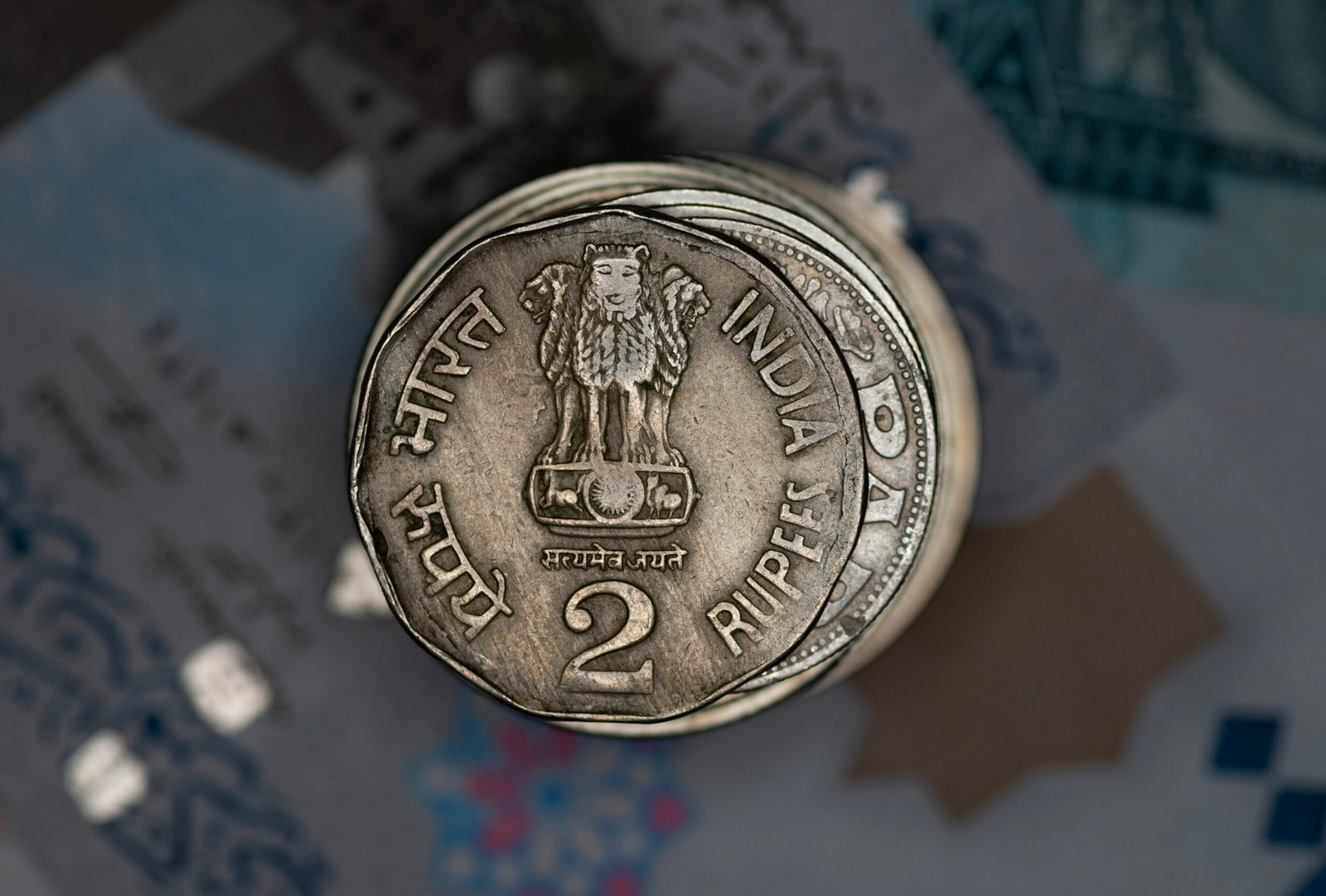
Experts usually assess several things at the same time. They check authenticity, condition, rarity, historical importance, and how much collectors want that issue. They might also compare your coin with documented examples found in numismatic references.
Professional grading brings consistency, and it helps explain the condition using recognized standards. But proper evaluation needs experience, and it should not rely only on photos, or on random social media claims.
Avoid Misleading Claims
Online there are exaggerated stories claiming ordinary circulation coins are worth huge sums. Usually, that’s not accurate. Real value depends on recognized numismatic principles, not on viral posts, or unverified ads that sound too good to be true.
If you think you have an interesting coin, then it might be worth talking with a reputable numismatic expert, or a well established coin dealer, before you make any decisions just because of something you saw online.
Good research usually saves people from getting pulled into misinformation. It helps collectors sort out real possibilities from stuff that is more rumor than fact , especially when prices and “rare find” claims start getting repeated.
Starting Your Own Collection
Coin collecting can be a fun pastime for folks of almost any age group. A lot of collectors start with coins that are already in family holdings. Then, later they branch out toward older eras and specific historical periods they personally find appealing. Some people go toward British India coins, while others prefer commemorative issues, princely state coinage, or even ancient Indian currency types.
Also, keeping notes for each coin is a big deal. Record where it came from, what it means historically, and how it looks in terms of condition. That kind of structure makes the collection easier to manage and also boosts the learning side.
Most importantly, collecting should put emphasis on learning, history , and genuine appreciation. Not simply on hopes of financial gain by default.
Conclusion
To understand old Indian coins value, you have to look past the coin’s age. Things like scarcity, surface and wear condition, historical relevance, mint marks, and how much collectors are currently interested all shape the way coins are judged in the numismatic world.
Whether you’re building your first set, or you inherited coins from relatives, taking the time to study India’s monetary history can make everything feel more rewarding. If you preserve coins properly, research their backgrounds, and ask credible experts for guidance when necessary, then collectors can enjoy both the educational and historical weight that old Indian coins bring.