
Money has stories to tell. Every note, every coin carries history, culture, and a bit of mystery. In India, there has been an increasing market for old and rare currency that has caught the interest of enthusiasts, collectors, and even investors. Such an increasing demand has created a professional class of individuals who operate as Indian old currency buyers.
Regardless of whether you hold a sole note stashed in your drawer or a hoard that has been passed down for ages, it serves you well to understand the function of such purchasers in assisting you in making sound choices. Who are they, what do they do, and how to navigate the increasing world of old Indian currency are some of the questions addressed in this article.
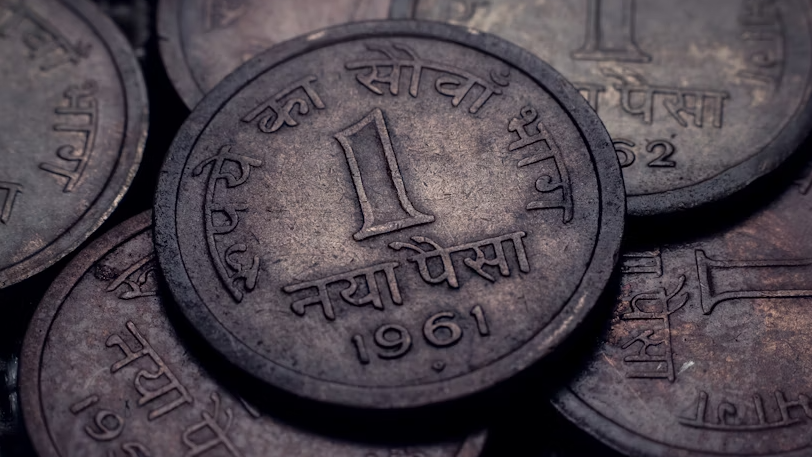
Who Are Indian Old Currency Buyers?
Indian old currency buyers are companies or individuals who are involved in the business of buying old, rare, or obsolete Indian currency and coins. They typically deal in numismatics—the study of coins and money—and understand how to identify the monetary and historic value of every piece.
Unlike typical consumers, such experts not only analyze currency by its face value but also by rarity, condition, age, and historical significance. Some bills, despite being technically demonetized or obsolete, may fetch a lot of money due to their rarity or unique features.
Professional collectors are also consultants who provide advice to collectors who are unsure whether their notes are valuable or authentic. The service is particularly helpful for novice collectors who are new to the field of numismatics.
Why People Sell Old Money
Old money is acquired by people mostly from inheritance, old collections, or just old bills years ago that were simply forgotten. Reasons to sell are:
-
Financial Return: Less common and older bills can be worth so much more than their face value, particularly if they are in good condition or small series prints.
-
Clearing Space: Other collectors or people merely want to remove old cupboards and drawers from the path of clutter.
-
Investment Payback: Old money can also be considered an investment, and selling releases the money so it can be turned into cash for other applications.
-
Historical Exchange: By selling to a purchaser, collectors guarantee that the notes fall into the possession of someone who values their history.
-
Downgrading Collections: Seasoned collectors will sell older currency to provide space for more scarce or valuable pieces.
As purchasers, Indian old currency buyers are sincere middlemen, providing good prices and frequently information regarding the note’s importance.
How Buyers Value Old Currency
Expert customers have a more organized method of estimating old money. Of particular consideration are:
-
Rarity: Firm releases, misprints, and pulled releases command premium prices.
-
Condition: Unissued, pristine notes bring premium prices; small tears or spots of dirt can lower the price dramatically.
-
Age: Older notes, particularly pre-independence or early post-independence notes, are much sought after.
-
Denomination: Higher denominations are less available, but lower-denomination currency can be similarly valuable if it is scarce.
-
Historical Significance: Historical event or celebrity-related currency can turn into collector pieces.
A handful of buyers also monitor auction trends, international demand, and collector interest, which benefits sellers as well as investors in determining when to sell at optimal price.
Where to Find Indian Old Currency Buyers
It is important to find reliable buyers. Most sellers and collectors look for authenticated and professional buyers in order to prevent scams. Popular places are:
-
Online Marketplaces: Authenticated buyers are available on sites specializing in numismatics.
-
Numismatic Events and Expos: Collectors may get to see buyers face-to-face, feel the money, and negotiate prices.
-
Local Coin Shops: Trustworthy shops with expert buyers provide advice and competitive prices.
-
Social Networks: Facebook groups, Telegram groups, and others from time to time connect collectors with quality buyers.
Before selling, research, read reviews, and confirm the buyer has a reputation for honest and transparent transactions.
Sellers’ Tips
If you’re considering selling your old currency to Indian old currency buyers, here are some practical tips:
-
Preserve the Currency: Avoid folding, taping, or damaging the notes. Preservation enhances value.
-
Document the Notes: Take good photographs and record any provenance or historic importance.
-
Research Market Value: Check recent sales of similar notes to understand what is trendy in the market.
-
Compare Bids: Don’t accept the initial quote. Quotes provide a guarantee of equitable pricing.
-
Check for Authenticity: Make sure that the buyer is a good one and well-informed.
-
Network with Other Collectors: Getting to know and talking with other collectors allows you to negotiate good deals and know more about scarce money.
Investing in Vintage Money
Old money is not just a collector’s treasure but an investment as well. Uncommon coins and banknotes would appreciate with the passage of time. Buyers of Indian old currency buyers have a tendency to inform collectors on future trends, rarity, and historical value, allowing new and old investors to make effective investment choices.
Patience is involved with currency investing. Notes everywhere today may be rare tomorrow based on scarcity of circulation, significance historically, or increased demand from collectors. Good management is the key—investors place notes in protective sleeves or display cases to preserve condition.
In addition, veteran buyers will help investors identify opportunities to diversify their investments by focusing on high-denomination values or historically significant issues which are more likely to increase in value over the long term.
Misconceptions
Despite its popularity, the old currency market has a plethora of misconceptions:
-
“All old notes are valuable.” Rare, well-preserved, or historically significant notes only possess high value.
-
“Online buyers are risky.” Legitimate online buyers with open-market practices are typically safe and convenient.
-
“Condition does not count.” Condition does; a torn bill or one that is excessively worn can be well worth less cash.
-
“Old money only for collectors.” Actually, old bills are serious investments and part of diversification of wealth.
Knowledge of these facts allows sellers to present buyers with realistic expectations.
Conclusion
The Indian old currency market is rich, complex, and full of potential. Buyers of Indian old currency buyers are not only appraisers, but also facilitators, and advisors, that the historical items find their way into good hands.
When you possess an excellent note for sale, adding to your collection, or simply looking to invest in coins, calling a seasoned buyer is imperative. Safeguarding India’s numismatic heritage and making profits no longer has to be an either-or scenario—it’s within reach.
If you have old dusty money, transitioning into the Indian old currency buyers network can make forgotten notes historical gems and financial prosperity. Proper guidance can turn your collection into a connection to India’s past and also a smart investment for the future.