
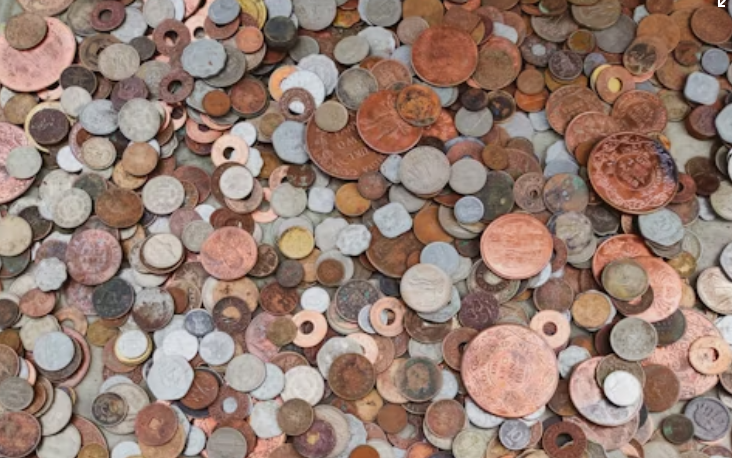
Coins are more than money; they’re alive with bits of human history. Each old coin in your possession has a story of kings, dynasties, empires, and shifting economies. To others, coins are a pastime. To some, they’re an investment or a precious heirloom. Regardless of your position, if you need to sell, you’ll need the advice of an old coin buyer.
This article explores the key role of the buyer in the coin market, their determinations of value, and what you can do to optimize your returns while keeping history intact.
Why Use an Old Coin Buyer?
An experienced coin dealer is not simply any collector who collects and resells collectibles. He is historian, grader, and market expert all rolled into one. Coins are not worth their weight in metal—rarity, grade, historical significance, and cultural significance are what give them value.
It’s selling coins without expert analysis that can be equivalent to underselling precious gems. The example of a coin which seems an ordinary one to you but is found to possess a minting defect rendering it worth thousands is a good illustration. Such nuances are quite easy to spot for buyers possessing technical experience.
Major Factors That Decide Coin Value
As you show your coin to a buyer, knowing the following factors beforehand will be worth it:
-
Rarity: The less common the coin, the more valuable it is.
-
Condition: Coins are graded and sold at premium price for “Mint State” coins.
-
Metal Content: Gold and silver coins hold their intrinsic bullion value.
-
Provenance: Coins with history or previous ownership documented sell for a premium.
-
Errors and Variations: Misprints or unusual strikes are highly desirable.
An old coin buyer professional is thinking about all these factors before making their offer.
How to Find a Trustworthy Buyer
The coin market is hospitable to knowledgeable hobbyists and opportunistic speculators as well. To find the best old coin buyer, be discerning and follow these steps:
-
Check for affiliations with numismatic societies.
-
Research collector boards for feedback.
-
Be vocal about the necessity of transparent valuation practices.
-
Receive multiple offers to avoid lowballing.
Reputation says it all in the coin industry, and genuine buyers usually have decades of trust resting upon their name.
Selling Venues: From Local Shops to Global Markets
Your selling option hinges on your intentions:
-
Local Dealers: Make quick appraisals and cash bids.
-
Auctions: Best used for unique, high-demand coins.
-
Online Platforms: Provide access to worldwide collectors but use caution and insured shipping.
-
Private Collectors: Occasionally pay a premium if they’ve searched for years for a particular piece.
Most vendors begin by getting an initial appraisal from a reputable coin buyer before choosing a site.
Smart Selling Secrets
In order to maximize your sale, keep the following habits in mind:
-
Never clean or polish coins—this erodes authenticity.
-
Get coins professionally graded and certified.
-
Keep coins stored in protective cases to maintain condition.
-
Learn about market prices to negotiate wisely.
A strategy will prevent you from accepting less than your collection is worth.
The Era of Coin Buying in the Digital Age
The internet is changing everything about the selling of coins. Today, an online old coin buyer can view images, have video calls, and arrange secure logistics to send and pay.
Sites online also expand your market space—you may get the interest of a collector from Europe, the Middle East, or America, and get optimum chances of improved bids. But always ensure that the site has insurance and buyer protection.
Case Study: From Old Drawer to Auction Limelight
In 2022, a man in Delhi found a wooden chest of coins that were inherited from his grandfather. To him, they were simply curios. After seeking the advice of an experienced coin buyer, he found that there were a number of coins of the British Raj with low mint figures.
That one particular coin earned him 10 times what he had estimated for it at an international auction, changing his perception of numismatics forever. Without an experienced buyer, those coins might have been sold for scrap metal.
The Heritage Role of Coin Buyers
Outside of business, an old coin buyer preserves culture. By evaluating, cataloging, and trading coins, these specialists rescue human history from extinction. Most team up with museums, exhibitions, and educational facilities to ensure these treasures become part of collective heritage.
A buyer isn’t purchasing you metal – they’re ensuring your coin continues to narrate tales of history.
More Insights: The Future of Coin Collecting
The coin market globally will grow in upcoming years as collectors view collectibles as alternative investments. Because of inflation and economic uncertainty, gold and silver coins are appealing not just for historical value but also for financial security.
For future generations, access via the digital realm simplifies entry into numismatics. Online auctions, live bids, and collector forums are creating new interest. This suggests the old coin buyer’s function will still be invaluable, uniting sellers with an increasingly large audience.
Conclusion
It’s not about profit when it comes to selling coins—it’s about showing respect for the past. By partnering with a seasoned old coin buyer, you ensure that your collection receives proper evaluation, fair recompense, and a chance to carry on its trajectory into the custody of collectors who care.
Every coin has a story behind it; the right owner ensures it is told, remembered, and preserved. Whether your collection is a family heirloom or carefully chosen investment, understanding the process and cooperating with authorities will see you reap its full value.