
The coin and Indian 2 Rupee note occupy a special position in the history of money in the country. Although this might appear a minor denomination, the 2 Rupee notes and coins has also seen decades of economic transformation, design development and historical milestones. To the collectors and lovers, these notes and coins are not mere money but a part of the Indian heritage.
Some issues of Indian 2 Rupee coins and notes have become very valuable over the years in the market of the collectors. They are rare, in condition, the year in which they were printed and their historical background determine their demand. In Old Coins Buyer, both the collector and the seller will find professional advice of how to identify and assess these treasured pieces.
The Development of the Indian 2 rupee notes
The 2 rupee Indian note was introduced in 1943, and this was during the British rule in India. It was issued mainly to satisfy wartime needs of currency. The Government of India also issued 2 Rupee notes after its independence under the reserve bank of India (RBI).
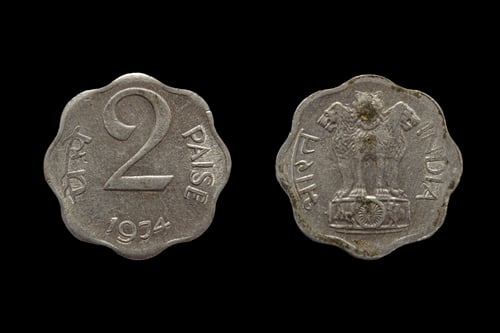
During the initial years, the note had the portrait of the King George VI. Monarch images were replaced by the Ashoka Pillar symbol of sovereign India of the post-independence issues. As time went by, the signature of the various governors was seen on the notes, which are presently used by the collectors to identify particular series and years.
The 2 Rupee note was designed progressively. Examples of the older ones were basic in design, with the main aspects being security and identification. Subsequent versions used more sophisticated printing methods and typography and different back designs, mostly with Indian themes of culture and development.
In the 1990s, the government started to replace smaller denomination notes because it had started to be costly to print and the coins were more durable. This later led to the termination of the 2 Rupee note thus today, old coins are useful to the collector.
The Adventure of Indian 2 Rupee Coins
The Indian 2 Rupee coin came in 1982. Contrary to the previous coins of copper and nickel, this coin had several variations in the metal composition with time.
First, the cupronickel coins were minted in 2 Rupee notes and coins which appeared like solid silver. Stainless steel was then later introduced by the increase of metal costs. More changes were done in the 2000s to enhance cost efficiency and durability.
One of the most interesting issues about the 2 Rupee coin is design variations. New themes were established like agricultural themes, national integration themes and celebratory issues. Coins with special designs were minted during important events like Asian games, independence anniversaries and important national campaigns.
To collectors mint marks are essential. Coins that are minted in Mumbai, Kolkata, Hyderabad and Noida have symbols of their origin below the year so that they are recognized. Some mint-year mixes are more rare than others, and their demand on the market is higher.
Rare and Valuable 2 Rupee Notes and Coins
Not all the old 2 rupee notes and coins are worth a lot of money, however, there are features of the note that can make it a valuable specimen. Uncirculated or mint notes are better. Clear printing, sharp edges and crisp paper makes collectors get interested.
Some rare factors include:
- Low serial numbers
- Special or decorative serial numbers (e.g. 000786) or repeating digits.
- Printing errors
- Rare governor signatures
- Limited-issue series
An example of this is that old 2 rupee notes which were minted in the 1970 or 1980s and are in good condition would fetch even higher prices with the collectors. Equally, there are misprinted or misaligned error notes that would attract high premium prices.
Old Coins Buyer has professionals who closely consider such information and then estimate the market values and sellers are fairly evaluated.
Collectible 2 Rupee Notes and Coins
In the case of coins, rarity is based on the year of minting, condition and demand. Memento coins are particularly attractive because of their low numbers.
The coins of earlier years of issue, and particularly in fine condition, are the more in demand. Also, minting mistakes, including doubled strikes, off-centers, and so on can appeal to serious collectors.
Important role is played by condition grading system. Coins are classified as circulated, extremely fine or uncirculated. Value can be influenced even by small scratches or marks of wear. Professional analysis assists in the process of setting the right price.
Most collectors also specialize in full series collections and this makes the demand more on certain missing years or mint marks. The services such as Old Coins Buyer facilitate the connection of the collectors and sellers and conduct the transactions easily and without any complications.
Why are the Indian 2 rupee Currency Pieces are Becoming Popular?
The collecting of Indian old currency has been professionally on the increase. This has been facilitated by social media, online market places and increasing awareness on numismatics.
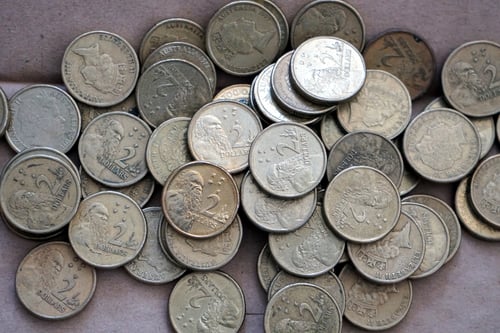
The old 2 rupees notes or coins kept in drawers or bequeathed collections are regularly rediscovered by people and they feel like knowing what their value is. However, not all the works are rare, and certain editions do have a true collectible value.
These currency items portray nostalgia besides monetary worth. The 2 rupee note reminds a lot of Indians about childhood, small shopping and an easier economic time. This emotional attachment makes them attractive.
The professional advice is necessary with the increase in demand in order to prevent any misinformation. Old Coins Buyer helps people to realize the genuine nature, grading and realistic market values.
How to conserve old 2 rupee notes and coins?
An adequate conservation has a strong influence on subsequent resale value. The notes are to be kept in some sort of protective plastic without getting wet and exposed to the sun. Value is minimized by folding or stapling.
Money must be stored in dry areas and touched as little as possible. Intensive cleaning of coins may damage the surface of the coins and lower the value as collectibles. Professionals should never be shy to seek guidance before trying to restore.
The original condition is important in the maximization of long-term value.
Selling Your 2-Rupee Coins And Notes
If you have old 2 Rupee notes and coins and want to sell it, research is important. Knowledge of year, series, and condition brings realistic expectations
At Old Coins Buyer, authenticity is verified by an experienced professional who guides the sellers. Over the years, the company has specialized in old currency valuation and providing fair market insights based on demand.
FAQs
- Are every old 2 Rupee note valuable?
In all cases old notes are not rare. The value of a coin is dependent on its condition, year of issue, serial number and rarity. - How can I find a 2 Rupee coin mint mark?
The coin’s mint mark, located just below the year, serves as an indicator of the city of minting – Mumbai, Kolkata, Hyderabad or Noida. - Do I have to clean coins before selling?
No Cleaning the coin may harm the surface and reduce its value. In their original appearance preserves true historical context. - How can I tell if my banknote has a rare serial number?
Patterns like repeating numbers or extremely low numbers are sometimes regarded as valuable. - Where can I sell my old 2-rupee notes and coins?
You can consult a professional evaluator like Old Coins Buyer for assessment.